
Los Angeles, CADrainageSystems
Drainage for Los Angeles homes and businesses, from a family owned crew based in Sylmar.
Drainage Systems in Los Angeles, CA at a glance
- Service
- Drainage Systems in Los Angeles, CA
- County
- Los Angeles County
- Building department
- LADBS on private property; Bureau of Engineering (A-Permit) in the public right-of-way
- ZIP codes
- 90026, 90027, 90028, 90038, 90039, 90041, 90042, 90046, 90049, 90065, 90068, 90077, 91604
- Estimate
- Free, on site
- Typical start
- About two weeks after you approve the estimate
- Phone
- (818) 464-5763
- License
- California 770901, C-8 Concrete and B General Building
Last updated November 2026
Drainage in Los Angeles, CA
Hillside Drainage in Los Angeles: Where the Water Has to Go
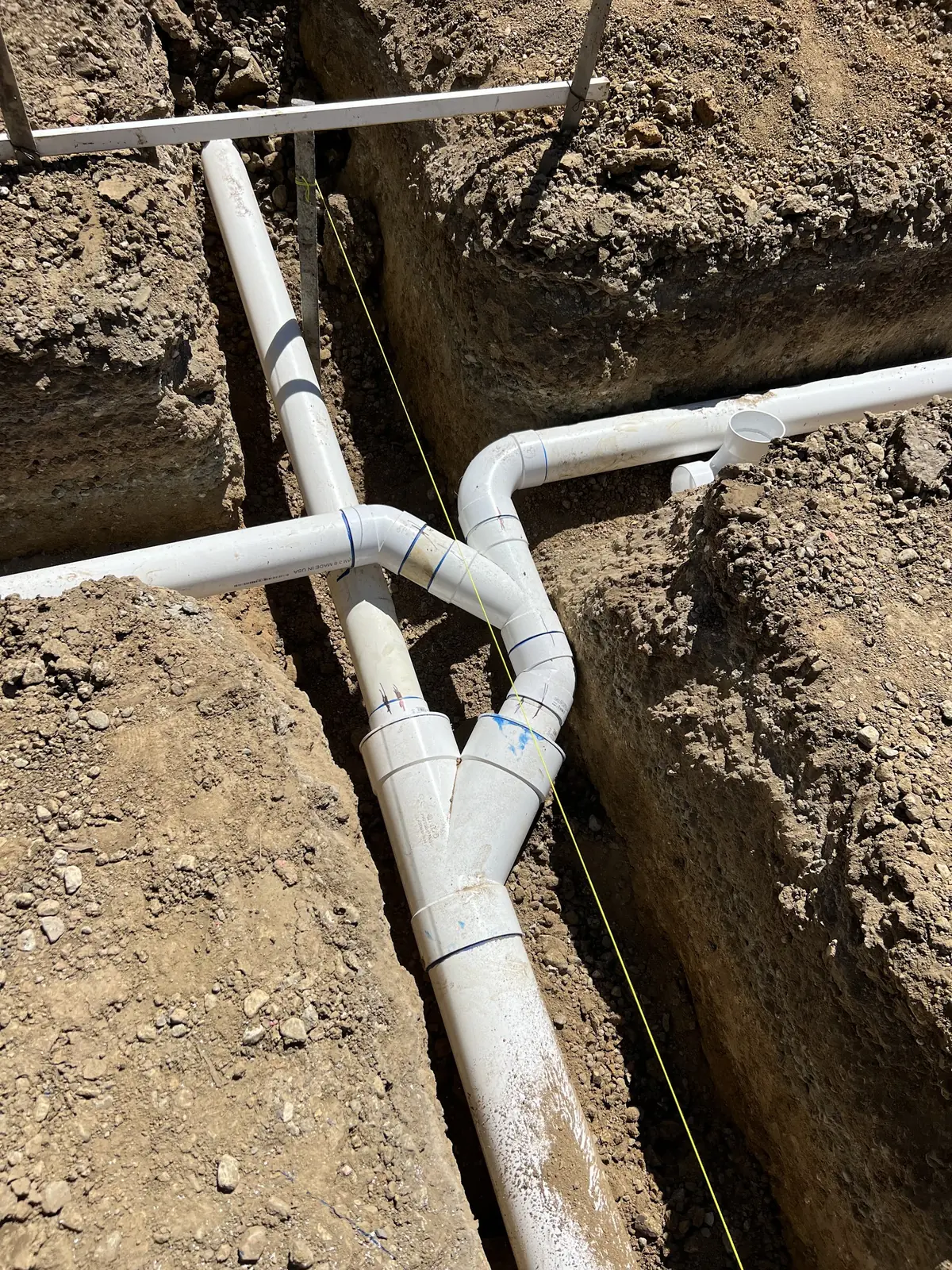
We install drainage systems in Los Angeles north of downtown, and a large share of that work is on hillside lots in the Hollywood Hills, Studio City, Bel Air, Brentwood, Eagle Rock and the Valley foothills. Drainage is the work we specialize in. In this city the hard question is rarely which pipe to use. It is where the water is allowed to end up, because the building code gives a hillside owner three legal places to send it, and the lot next door is not one of them.
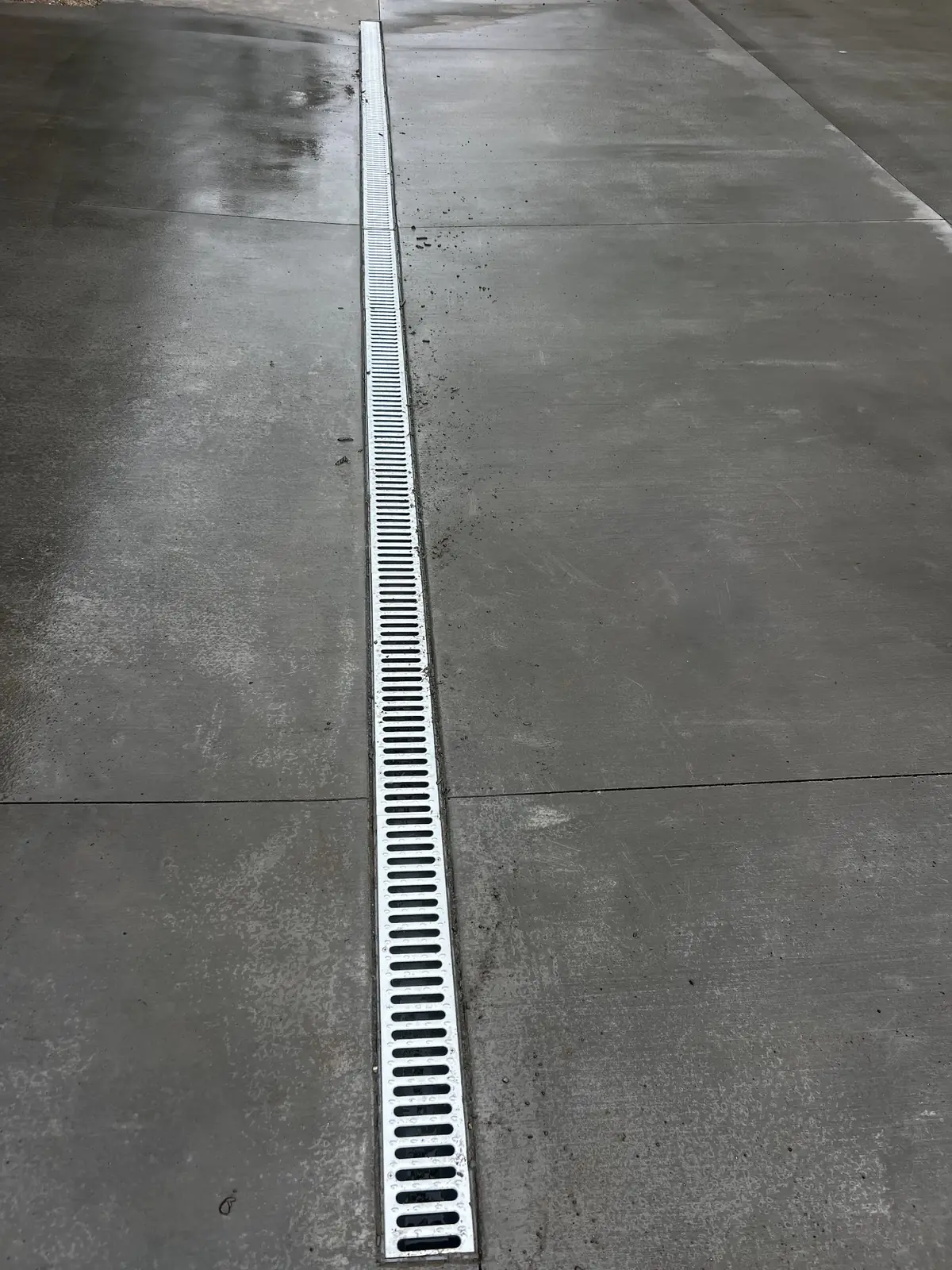
The parts of a system, from French drains to channel drains, are explained on our drainage systems page. This page covers the Los Angeles rules. For a free estimate, send photos and the address through the contact page or call (818) 464-5763, Monday to Saturday, 6 AM to 7 PM.
Where Los Angeles lets a hillside lot send its water
For new construction and graded pads, the Los Angeles building code names three legal destinations for collected water: a public street, a natural watercourse or an approved drainage facility. Section 91.7013 applies that to sloping lots in three ways. Where the natural ground under a house slopes more than 3 percent, gutters must catch all the roof water and carry it by gravity, in a device that will not erode, to one of those three places. A graded pad must fall at least 2 percent toward a drain or the street, and the code defines the drain as catch basins and drain lines that take the water to a street. And when a building stands less than 5 feet from the top of a slope, drains have to carry storm water around it.
LADBS, the Department of Building and Safety, treats sump pumps, dispersal walls and infiltration systems as approved facilities. A pump or a dispersal wall needs the department's approval first.
A pipe across the property line needs a recorded easement
Water that has always run downhill across a property line may keep doing so. What the city does not allow is changing it. LADBS bulletin P/BC 2026-057 says the natural flow cannot be altered in a way that sends more water to a neighbor or changes how it arrives, and the owner downhill cannot build something that blocks it. Where a new wall, a slab or a change in grade would pond or divert runoff, an approved drain system has to pick the water up and take it to a legal outlet.
If the only route to that outlet is a pipe, channel or V-drain through the lot below, the bulletin requires a drainage easement from that owner. It is recorded with the Los Angeles County Recorder as a Covenant and Agreement, with notarized signatures from every owner and a legal description prepared by a licensed surveyor. So we lay out hillside systems to reach your own street frontage whenever the fall allows it.
The outlet through the curb belongs to the city
The last few feet of most systems, the pipe under the sidewalk and out the face of the curb, sit in the public right of way. The Bureau of Engineering issues the construction permit for a curb drain, and the application is made online. Its permit manual has staff check the size of the pipe going through the curb against the city's standard plans, and it calls for at least 2 inches of clearance between the drainpipe and the top of the curb. Work that would change the flowline of the gutter moves up to a B-Permit, a longer process.
Plenty of hillside streets north of downtown have no curb or sidewalk, only a paved edge or an asphalt berm. The outlet has to be worked out differently there, so we look at the street frontage before we mark a single pipe run in the yard.
What we find on Los Angeles hillsides, and what moves the cost
On older hillside houses we often find downspouts that empty onto the slope, yard drains that stop a few feet past the patio, and thin corrugated pipe crushed or packed with roots. The usual job is piping all of it to the street in solid pipe. On an engineered slope the plans may call for the code's heavier devices: inlets grated to keep out anything over 4 inches, and pipe down drains at least 12 inches across, sized for a 50 year storm. We build those as the civil engineer drew them. The code requires drainage to be kept working after construction, so we show you every inlet and cleanout.
Our number comes from a free estimate on site. It turns mostly on:
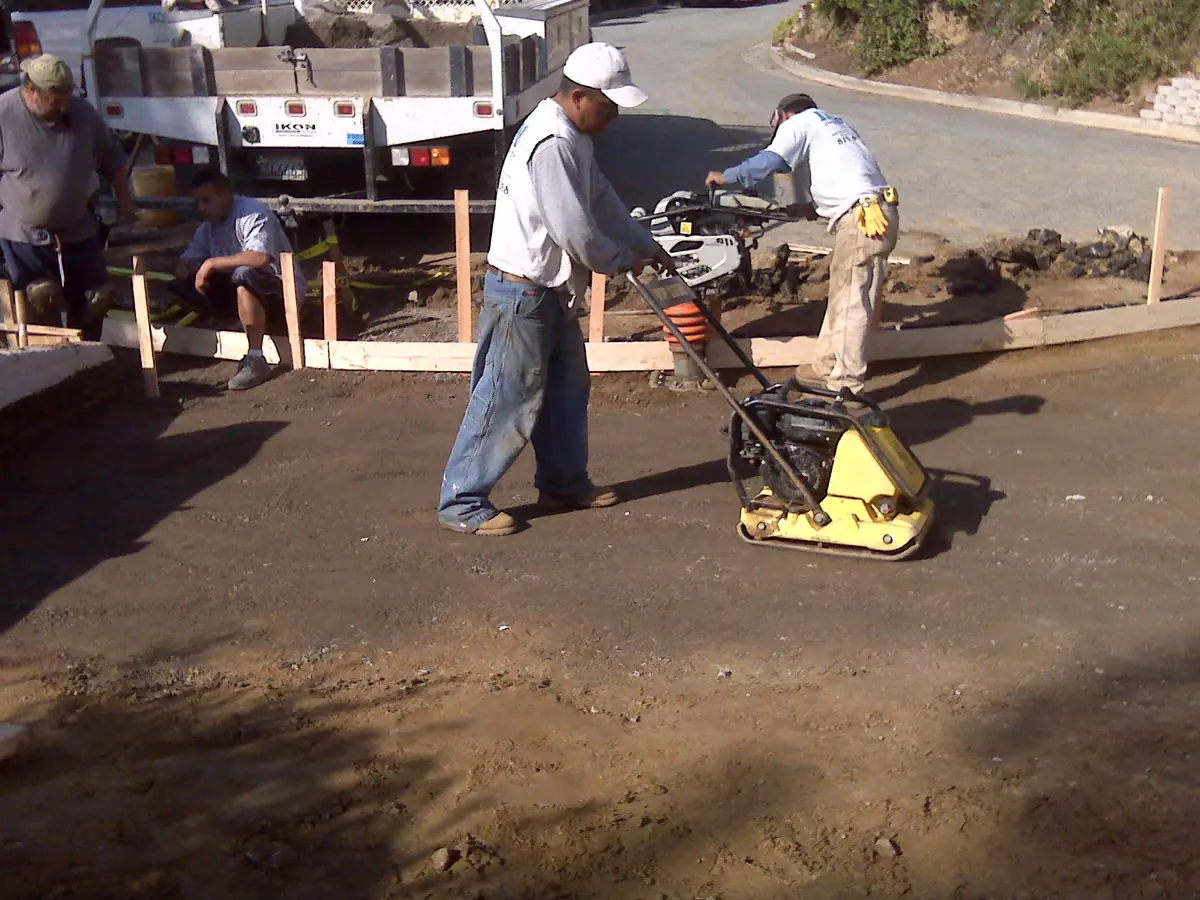
- Hand trenching where a machine cannot reach or sit on the slope
- Distance to the street and the depth needed to keep fall
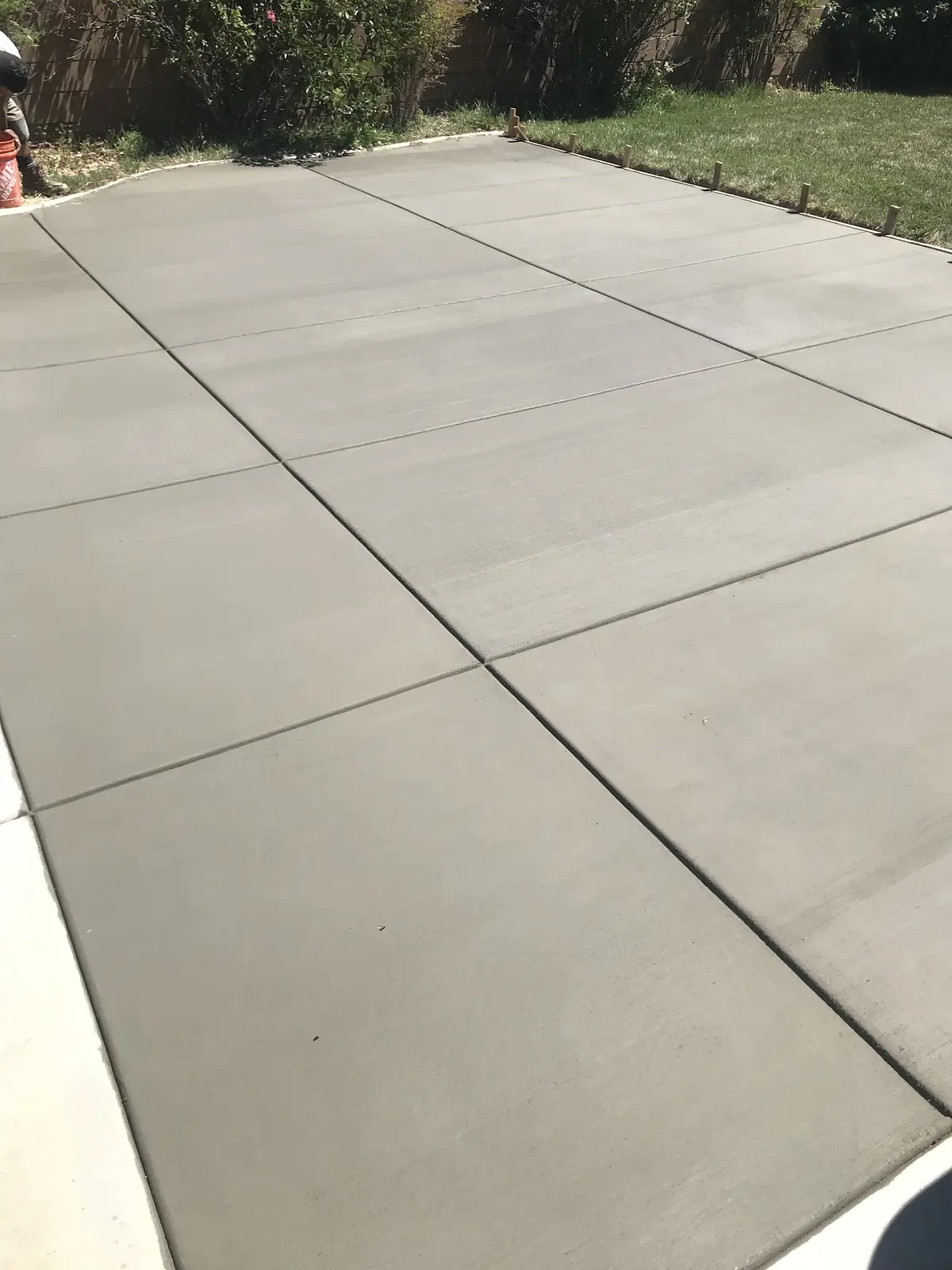
- Concrete cut and patched along the route
- The curb outlet and its permit, or a pump where the lot falls away from the street
Drainage in Los Angeles. Call or text (818) 464-5763 for a free estimate. Read more about ourdrainage systems work or about concrete work in Los Angeles.
In A Rush? Let's Talk Now!
Drainage In Los Angeles: Common Questions
To a public street, a natural watercourse or a drainage facility LADBS has approved, such as an infiltration system or a pumped sump. It cannot be turned loose on a slope, and it cannot be piped onto the lot below without a recorded easement. On most lots we see, that means solid pipe to the curb.
Only the way it has always flowed naturally. LADBS does not allow grading, walls or pipes that increase the water reaching a neighbor or change how it gets there, and a pipe across the line takes a drainage easement signed by every owner and recorded with the county. The same rule protects you if the lot above yours changes its drainage.
Yes. The curb and sidewalk are public right of way, so the Bureau of Engineering has to issue a permit before the curb is cored or cut. The drainpipe must clear the top of the curb by at least 2 inches. We will tell you at the estimate what your street is likely to need.
It only collects water that is already in the ground, it needs somewhere legal to empty, and it stops working once soil gets into the gravel. On a slope the perforated pipe belongs only where water has to be collected, with solid pipe from there to the outlet, so the drain does not feed water back into the hillside. Runoff crossing a patio or coming off a roof is a job for area drains.
There is no flat rate, because the fall of the lot and the route to the street decide the design. Hillside jobs usually take more than flat yards: more hand digging, deeper trenches and often a curb permit. Our price comes from a free on-site estimate, and work usually starts about two weeks after you approve it. If the slope also needs holding back, see retaining walls and grading.
5.0 on Google
Read what a homeowner says about meeting Gilbert and talking through decorative concrete options.
Drainage in Los Angeles
Family OwnedSince 1999
California contractor license 770901. C-8 Concrete and B General Building. Free estimates.More Concrete Services In Los Angeles
Drainage In Nearby Cities
Drainage In Los Angeles In Three Easy Steps
Send A Message
Call, text or send the form with a few details, and photos if you have them. We reply the day we get it.
Step 1Free Estimate
We walk the site with you, measure, talk through finishes and drainage, and give you a price. No charge.
Step 2We Build It
Most jobs start about two weeks after you approve the estimate. We demo, form, pour, finish and haul off the mess.
Step 3
Ready For Drainage In Los Angeles?
Family owned since 1999. California license 770901. Free estimates.